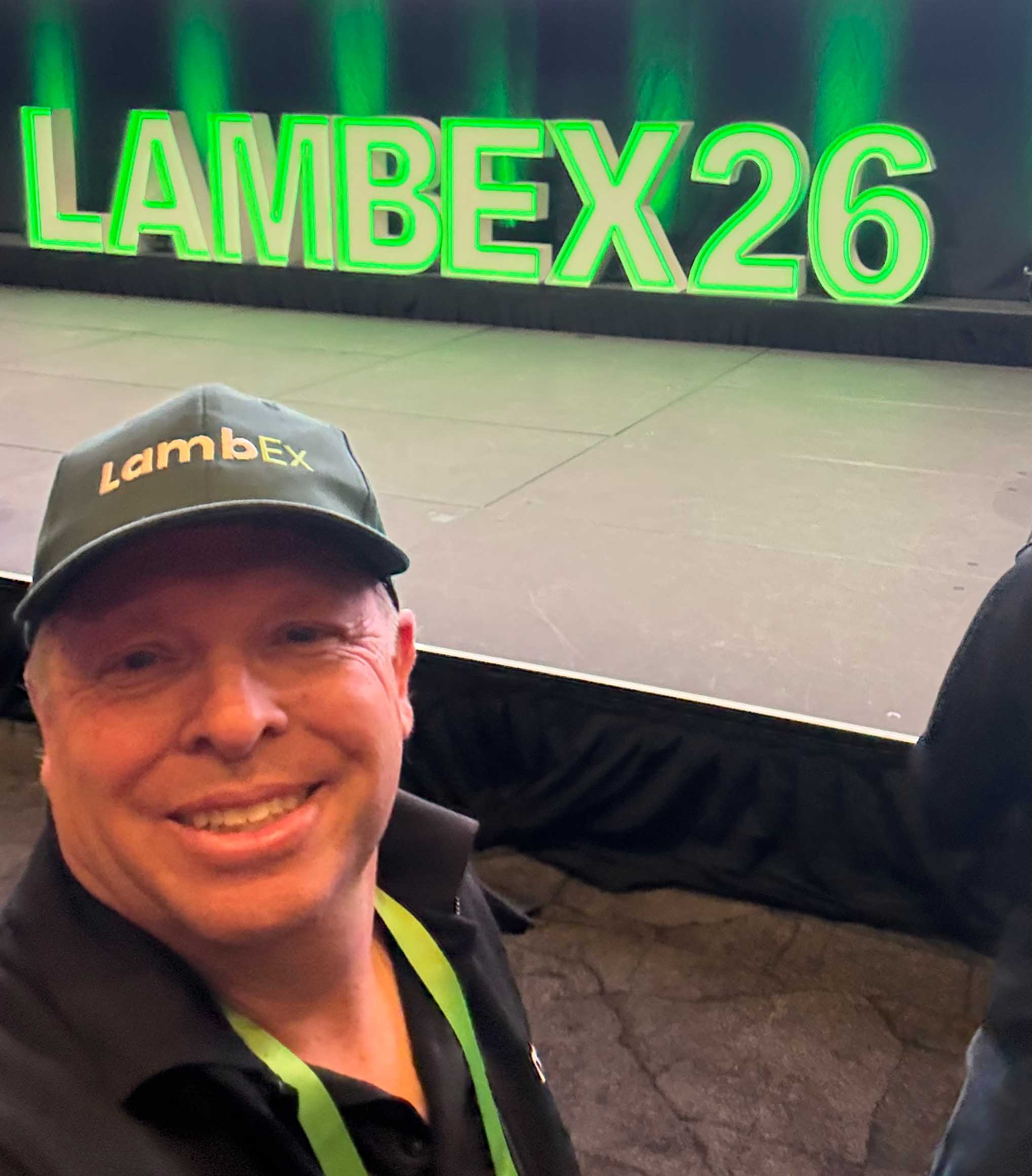
Walking through the halls of LambEx26, it was impossible not to be inspired by the positive outlook for Australia’s sheep industry. The event united producers, researchers, exporters, processors and suppliers from across the country, all focused on enhancing productivity, sustainability and profitability. With valuable insights, industry-leading innovation and unparalleled networking opportunities, LambEx26 proved to be an essential event for anyone passionate about strengthening the future of the industry.
Held in Adelaide from 7 to 10 July, LambEx26 attracted a record 1,452 delegates, making it the largest LambEx conference ever held. With more than half of attendees identifying as sheep producers, the event provided a genuine opportunity for producers to learn from one another, challenge ideas and explore the latest developments shaping the industry’s future.
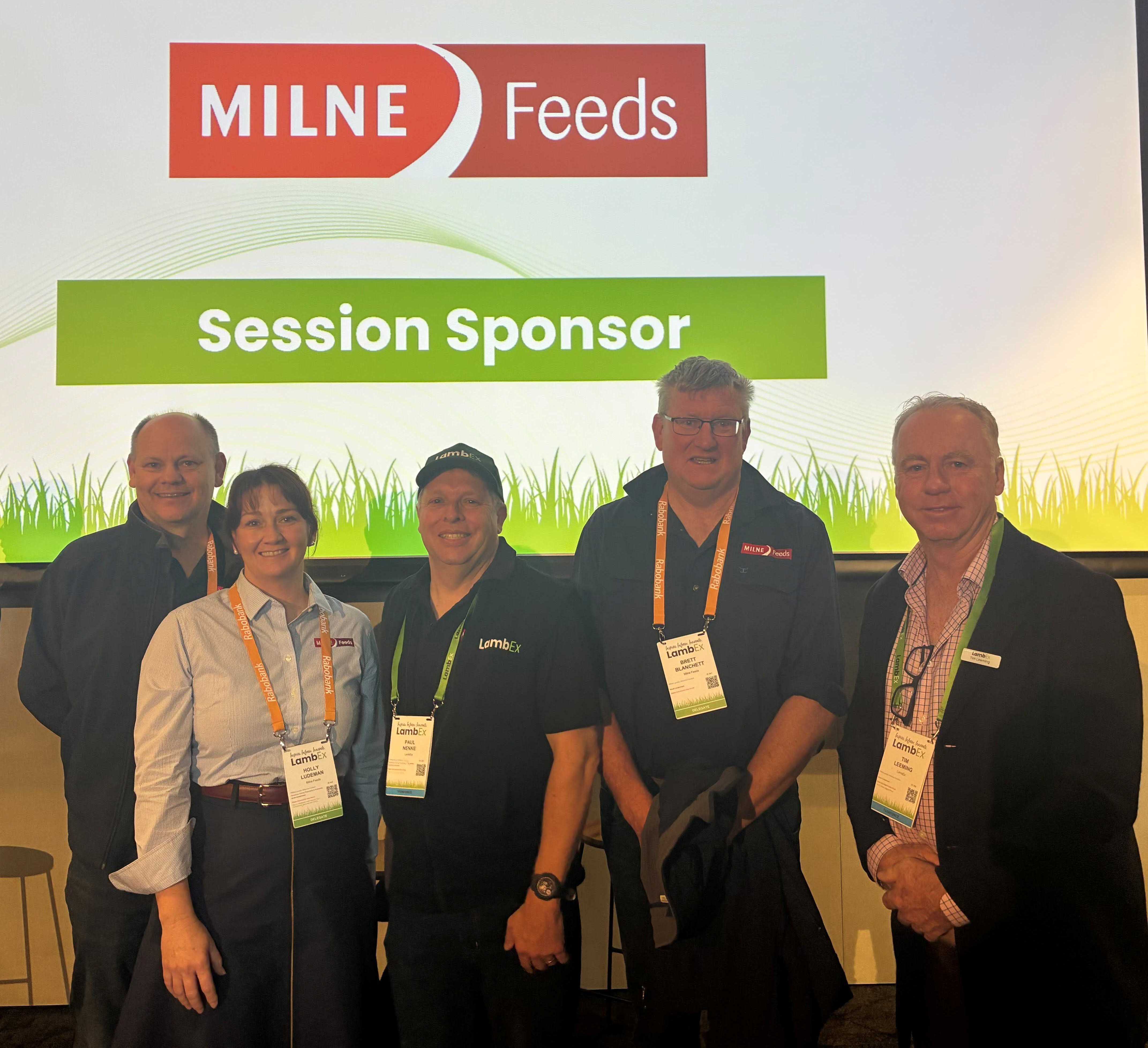
Milne was proud to be part of the conference, sponsoring the popular breakfast session on Confinement Feeding and Water Management. Leading the Milne delegation was General Manager Michael Tarling, supported by Head Scientist Dr Imelda, whose technical expertise contributed to many conversations throughout the event. Also attending was Sales Manager Paul Nenke, a member of the LambEx26 Taskforce and planning committee who helped coordinate Milne’s involvement. He was joined by Milne AgriGroup Veterinarian Dr Holly Ludeman, Grain Buyer Davis Syme, Business Development Manager Brett Blanchett, South Australian Depot Managers Steve Whillas and Tracey Lehmann, and Magtech CEO Charlotte Gilbert.
A highlight for many attendees was Dr Ludeman’s presentation, which offered practical insights into the future of sheep production and the opportunities available to progressive farming businesses. She encouraged producers to embrace innovation while remaining focused on the fundamentals of animal health, performance and profitability. Her ability to connect scientific principles with practical on-farm outcomes resonated strongly with producers and reinforced the importance of informed management decisions for long-term success.
The Milne team was also pleased to host internationally recognised researchers Dr April Leytem and Dr Robert Dungan from the USDA and Washington State University in Pullman, USA. Dr Leytem assists Milne Feeds with trials of its new low-methane sheep feed, Easy2Gro LM, conducted at Fox River. Her work includes trial design, equipment setup, data verification and analysis.
A major focus of the Milne-sponsored breakfast session was helping producers maximise the return on their investment in sheep genetics through better nutrition and management. While genetics provide the blueprint, nutrition determines how much of that potential is realised. Milne’s HyFibe technology was showcased as a practical solution for maintaining rumen health, improving feed utilisation and supporting consistent animal performance.
Dr Ludeman also challenged producers to consider whether their nutritional programs have evolved at the same pace as the rest of their businesses. Twenty years ago, many producers were feeding similar grain rations to those still being used today. Yet almost every other aspect of sheep production has changed dramatically, including:
For many producers, however, the ration looks almost identical to what they were feeding in 2005.
“The science has moved on. Has your feed?”
The question prompted considerable reflection among delegates. Significant investments have been made in breeding programs to improve flock productivity and profitability. Producers today are selecting animals using sophisticated breeding values and performance data, focusing on traits such as conformation, fleece weight, meat yield and confinement feeding performance.
As Holly asked the audience, “Are you putting diesel in a Ferrari?”
The analogy struck a chord. Modern sheep have greater genetic potential than ever before but achieving that potential requires nutrition programs designed to support higher levels of growth, feed efficiency and production. Feeding programs should evolve alongside advances in genetics and management, ensuring animals have access to the nutrients required to express their full capability.
Investing in elite genetics without providing the nutrition and water required to support them limits performance. When genetics, nutrition and management work together, producers can achieve better growth rates, improved animal condition and stronger financial returns.
Water was also highlighted as a critical nutrient. Research and practical experience demonstrate that clean, readily available water is essential for feed intake, digestion, animal health and the efficient conversion of feed into growth. Together, quality genetics, advanced nutrition and sound water management form the foundation of a high-performing sheep enterprise.
What stood out throughout the four-day conference was the willingness of people to share knowledge. Whether during formal presentations, technical workshops, breakfast sessions or casual conversations over coffee, there was a genuine sense of collaboration. Producers were eager to learn about new technologies, research findings, genetics, feed solutions and management strategies that could help improve their operations.
The trade exhibition was one of the busiest in LambEx history, featuring more than 100 exhibitors showcasing innovations from across the sheep industry. Delegates also had the opportunity to attend technical presentations, leadership sessions, market updates and networking events designed to connect people from different parts of the supply chain.
A particularly encouraging aspect of LambEx26 was the strong attendance of younger producers and emerging industry leaders. Nearly half of all delegates were aged 40 years and under, demonstrating the confidence younger generations have in the future of the sheep industry and their commitment to driving continued innovation.
For the Milne team, the conference reinforced the value of bringing together producers, researchers and industry partners to solve common challenges and identify new opportunities. The combination of practical producer knowledge, scientific expertise and commercial experience created meaningful discussions that will continue well beyond the conference itself.
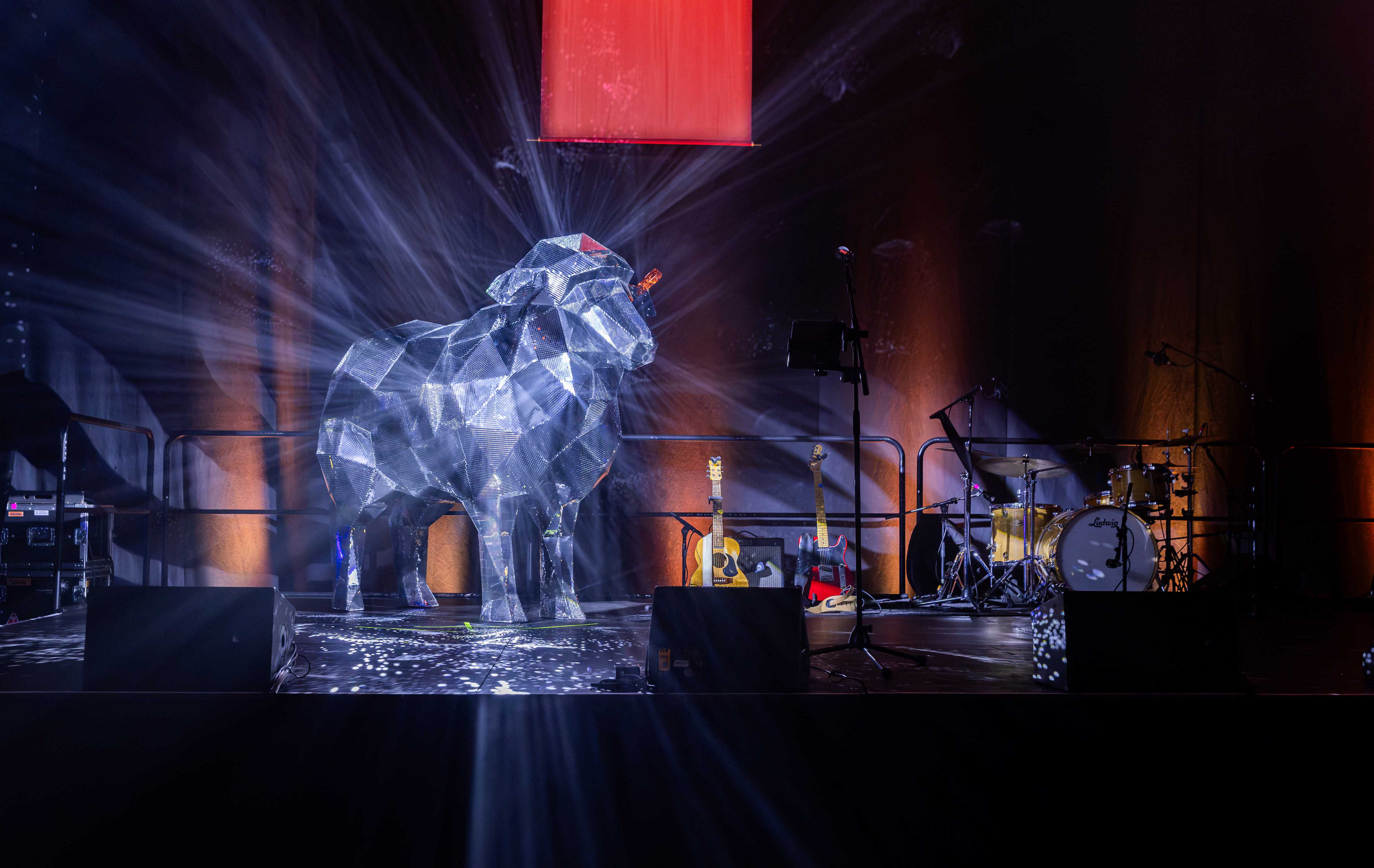
LambEx26 ended with the Elders Grands lamb Gala Dinner, attended by more than 1,000 industry representatives. The atmosphere was set from the outset as a saxophone player emerged among the crowd during pre-dinner drinks and led guests into the dining hall. There, a stunning giant mirrored sheep took centre stage, its reflective surface catching the lights and creating a dazzling spectacle. The display perfectly captured LambEx’s theme, showcasing the sheep industry as a shining light with a strong and prosperous future ahead.
For Milne, it was a privilege to support the event, connect with customers and industry partners, and contribute to conversations that will help shape the next chapter of Australian sheep production. The conference was a powerful reminder of what can be achieved when producers, researchers and industry leaders come together with a common purpose.
Milne is already looking forward to LambEx 2028 and remains committed to working alongside producers to build a profitable, productive and sustainable future for Australian sheep production.